
Severe weather safety in the workplace: a guide to technology for protecting your team and operations
The world of workplace safety has transformed dramatically in recent years. Weather events have become more extreme and less predictable, while supply chain vulnerabilities demand tighter management of disruptions. At the same time, social media has exponentially increased both legislative and public image risks — safety incidents are exposed faster than ever, and employees are more vocal about their workplace rights and protections.
For operations managers, safety and EHS leaders, and HR professionals, these changes mean one thing: severe weather safety in the workplace can no longer be an afterthought. The financial stakes are staggering. Approximately 25% of businesses that close due to a major disaster never reopen, and for mid-sized to large enterprises, downtime costs can exceed $300,000 per hour.
In 2024 alone, the United States experienced 27 billion-dollar weather disasters, with tornadoes accounting for nearly two-thirds of these events. Winter storms and severe freeze events are projected to cause roughly $3.6 billion in damages this season. Yet despite these sobering statistics, many organizations still rely on outdated manual monitoring systems, broad county-wide alerts, and reactive response plans that put both productivity and lives at risk.
Thankfully, technological advances have emerged that can help organizations address these changes.
The most critical shift? Getting away from manual monitoring. The days of someone checking simple weather apps or several different weather websites, trying to interpret conflicting data, and making split-second decisions based on incomplete information are over.
Modern solutions automate what was once impossible to manage manually, turning weather from an uncontrollable threat into a manageable business variable.
How technology transforms severe weather safety
Traditional approaches to workplace weather safety suffer from critical limitations: incomplete feature sets that offer alerting without forecasting (or vice versa), proprietary and siloed data that can't integrate with your operations, feature bloat with excessive pricing, and complex implementations that take months to deploy. The result? Too many companies either forgo important safety aspects entirely — a major business risk — or begrudgingly pay excessive licensing fees to use substandard tools that don't meet their needs.
Modern critical event management platforms solve these problems by providing a complete, integrated solution for managing all environmental risks. Here's what today's technology can do:
Predictive analytics and AI-driven modeling: Instead of simply reacting to current conditions, advanced systems use artificial intelligence and machine learning to create custom weather risk models specific to your operations. This includes medium and long-term climate predictions that enable you to plan shift delays, facility closures, and employee availability days in advance rather than scrambling at the last minute. The difference between knowing a severe storm will impact your facility in 48 hours versus discovering it when the first lightning strike occurs can save both lives and high operational costs.
Hyper-local forecasting: Broad regional forecasts that cover entire counties or multi-state areas create a no-win situation: either you close facilities unnecessarily (losing productivity and revenue), or the forecast misses localized severe weather that impacts your specific location. Modern systems provide location-specific predictions for each of your facilities, analyzing conditions at the street-address level. This precision means you might close one building instead of four — or none at all if they aren't actually at risk.
Integrated sensing and data orchestration: The most powerful systems integrate multiple data sources: official weather services, proprietary sensors (both the platform's and your own existing equipment), IoT devices monitoring everything from temperature to air quality to water levels, and your operational data showing where employees and assets are located. This integration creates a complete picture that enables intelligent decision-making.
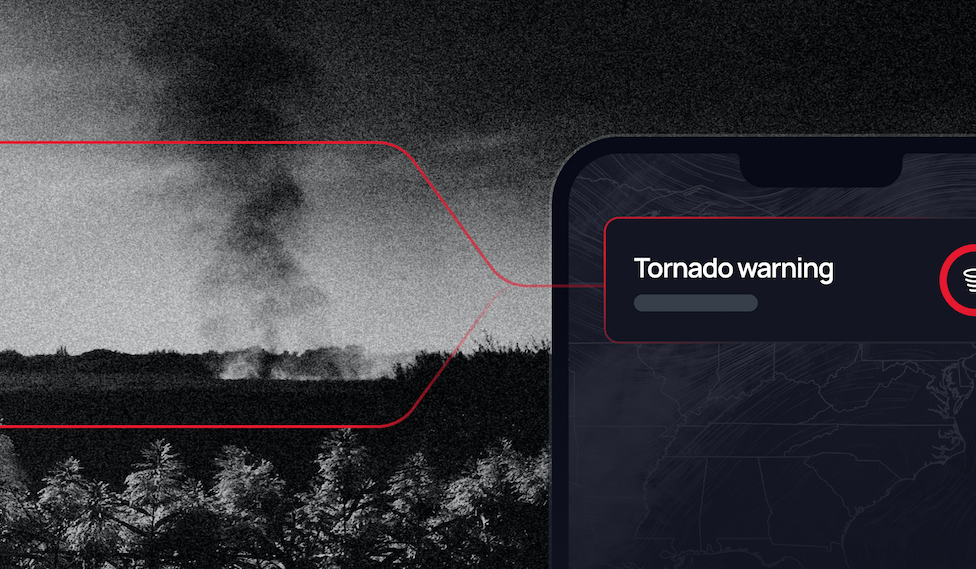
For example, the system knows not just that a tornado warning has been issued, but exactly which of your facilities and which specific employees are in the path, what equipment needs to be shut down, and what shelter locations are available.
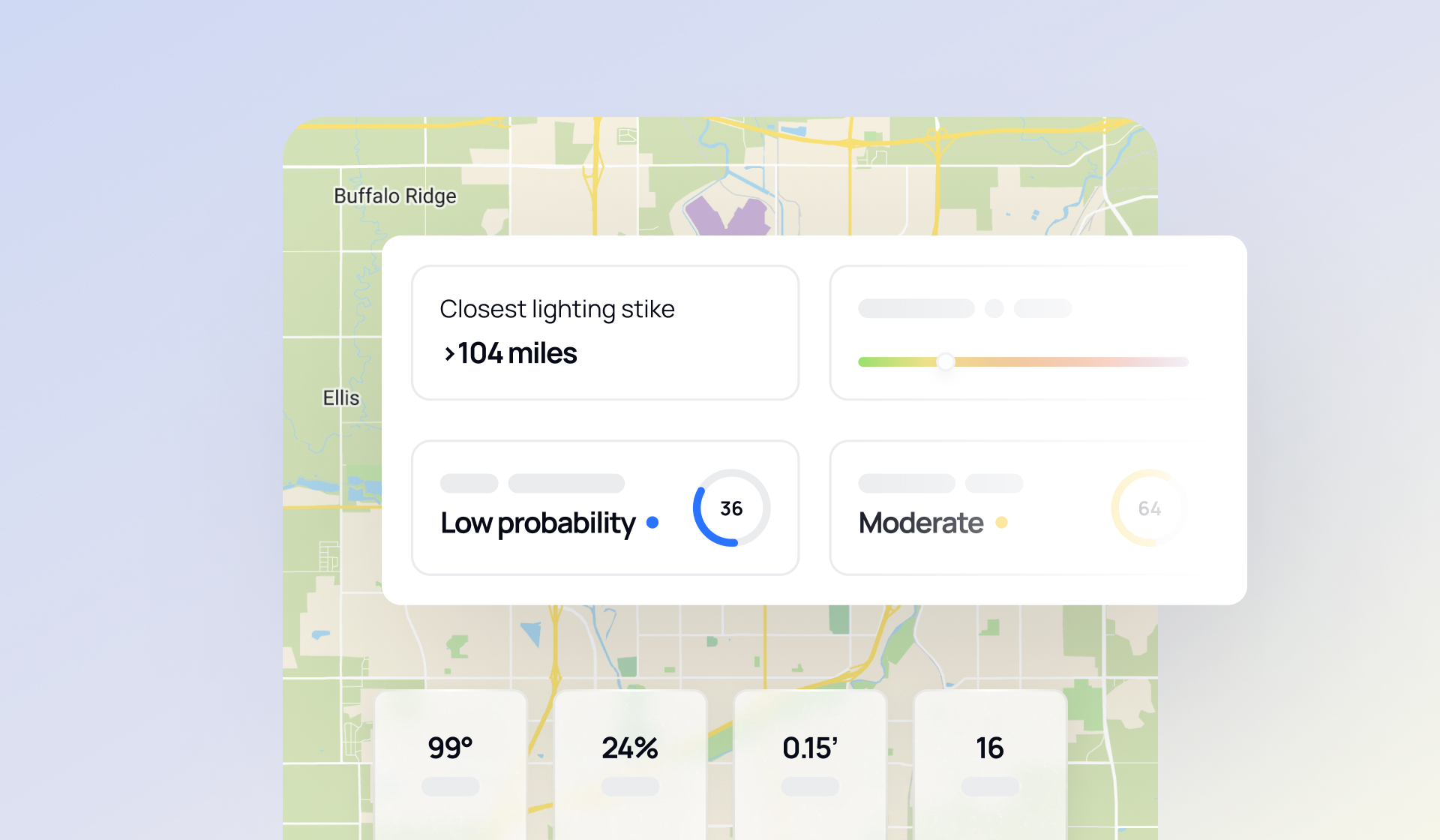
Automated workflows and decision-making: Pre-defined protocols execute automatically when specific conditions are met, removing human delay and subjective judgment from critical safety decisions. When a lightning detection system identifies strikes within six miles of your facility, automated workflows can simultaneously alert all outdoor workers, trigger evacuation to designated shelters, shut down sensitive equipment to prevent damage, and notify management—all within seconds.
When winter temperatures reach cold stress thresholds, the system can issue work stoppage signals and notify supervisors without anyone having to manually monitor thermometers.
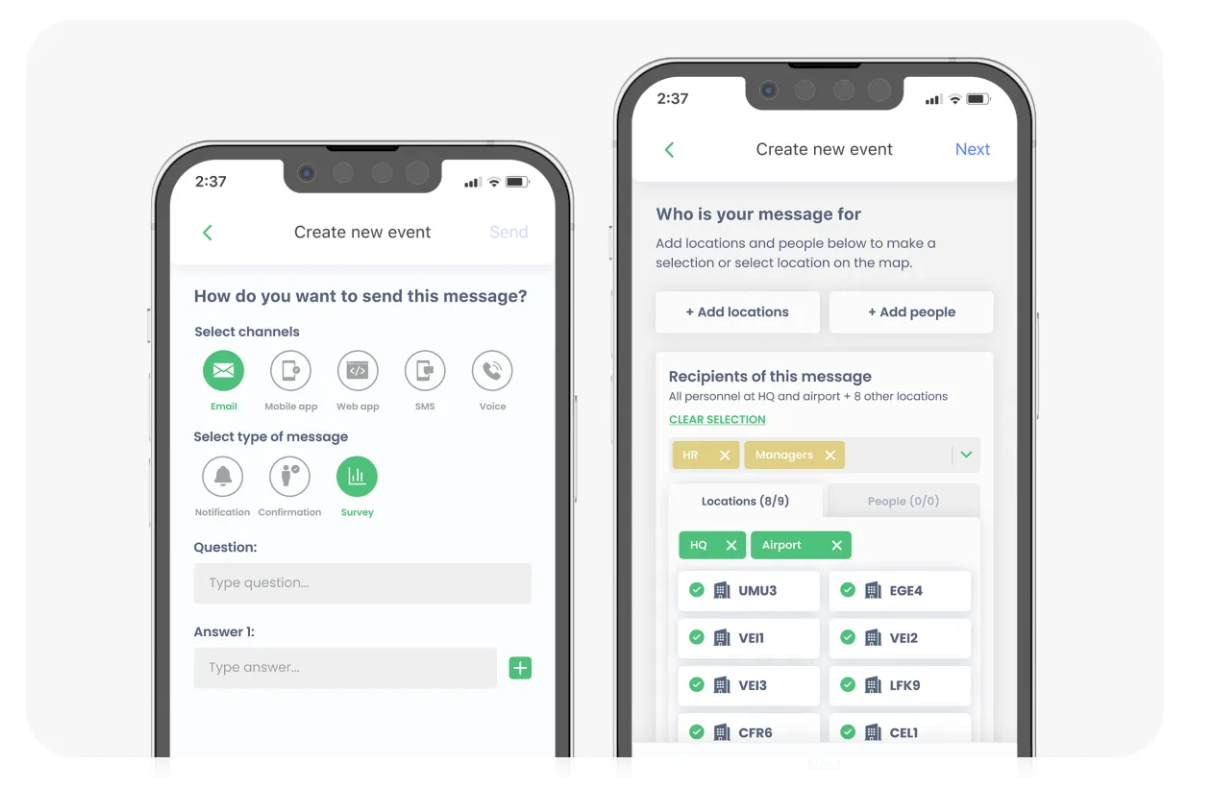
Sophisticated multi-channel alerting: Modern platforms deliver alerts across every communication channel simultaneously: voice announcements on PA systems, text messages to mobile devices, notifications through workplace apps like Slack or Teams, visual alerts on digital displays, sirens and lights for high-noise environments, and even automated phone calls.
This redundancy ensures messages reach everyone regardless of their work environment or communication preferences. Equally important, these systems enable two-way communication so employees can confirm their safety, report conditions, and request assistance.
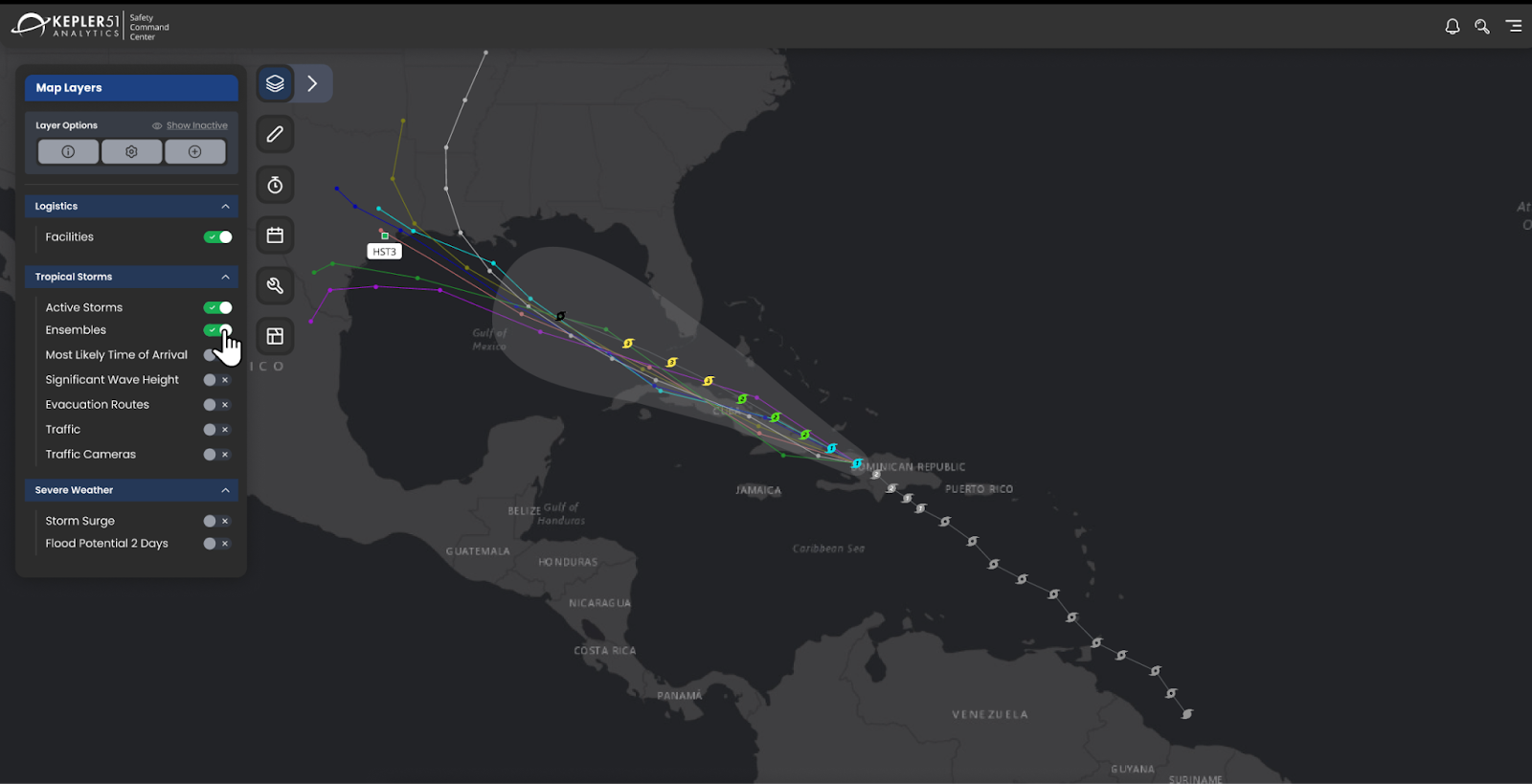
Real-time situational awareness: Interactive digital maps accessible from any connected device show live data: current weather conditions overlaid on your facility locations, employee positions, shelter locations, equipment status, and evacuation routes. During an emergency, this shared situational awareness enables coordinated response instead of fragmented chaos. Managers can see who has reached shelter, where assistance is needed, and when it's safe to resume operations.
Comprehensive documentation and continuous improvement: Every event, every alert, every response action is automatically captured and timestamped. This documentation serves multiple purposes: compliance with safety regulations, evidence for insurance claims, data for post-incident analysis, and insights that drive continuous improvement.
Over time, patterns emerge that help you refine policies, adjust thresholds, and optimize resource allocation. You can see, for example, that snow removal initiated when accumulation reaches two inches prevents parking lot accidents, while waiting until four inches results in increased injuries and longer clearing times.
Vendor integration and verification: For operations that rely on third-party services — snow removal contractors, emergency repair vendors, equipment rental companies — modern platforms can integrate vendor performance data. Automated systems can verify that contracted snow removal actually occurred when and where specified, providing finance teams with documentation to audit invoices and identify overcharges. This integration has helped organizations reduce snow removal costs by 30-40% while improving service quality.
The transformation from manual monitoring to automated, intelligent systems doesn't just improve safety — it fundamentally changes how weather impacts your business. Here is an example of a lightning strike management with new technology:
Organizations using modern platforms report saving 20+ minutes in facility closure time per lightning event, reducing unnecessary closures by 60%, and most importantly, eliminating weather-related injuries through faster, more accurate response.
Understanding your severe weather risks
Before implementing any severe weather safety program, you need to understand which hazards pose the greatest threat to your specific operations. The challenge has become more complex in recent years: severe weather events are no longer respecting their traditional geographic boundaries. Tornadoes that were once confined to the Plains states now touch down on the West Coast. Hurricane-force storms are reaching further inland. Winter storms are paralyzing regions that rarely saw snow a generation ago. This shifting climate reality means businesses can no longer rely on historical weather patterns alone to predict future risks.
Geographic considerations:
- Coastal and Gulf regions: Hurricanes, storm surge, flooding (with impacts reaching further inland than historically observed)
- Midwest and Plains states: Tornadoes, severe thunderstorms, winter storms (traditional tornado alley, but no longer exclusive)
- Northern states: Extreme cold, heavy snow, ice storms
- Western regions: Wildfires, drought, extreme heat, earthquakes, and even tornadoes in areas that rarely experienced them before
- Southern states: More frequent winter weather events disrupting operations unprepared for ice and freezing temperatures
- All regions: Flash flooding, lightning, extreme temperatures — threats that respect no geographic boundaries
Industry-specific vulnerabilities:
- Construction and outdoor work: Exposure to all weather elements, lightning risk, heat and cold stress
- Manufacturing: Equipment damage, power outages, supply chain disruptions, roof collapse from snow accumulation
- Warehousing and logistics: Transportation delays, inventory damage, worker safety during loading/unloading
- Retail: Customer and employee safety, facility damage, supply chain interruptions
- Mining and oil/gas: Isolated locations, flooding risks, extreme weather exposure
The key to effective severe weather safety in the workplace starts with conducting a thorough risk assessment that considers your geographic location, climate trends showing how weather patterns are shifting, industry-specific hazards, building vulnerabilities, and critical business functions that could be disrupted.
Don't assume your region is immune to certain weather types just because they've been rare historically — the new normal means preparing for weather events that never threatened your area before.
Building a comprehensive severe weather safety program
Creating an effective severe weather safety program requires moving beyond basic compliance to integrate new technologies, and develop a culture of preparedness that protects people, preserves operations, and builds organizational resilience.
Key components of an effective program
1. Comprehensive risk assessment:
Evaluate all potential weather hazards relevant to your locations and operations. Consider both direct impacts (facility damage, employee safety) and indirect effects (supply chain disruptions, utility failures, transportation challenges). Use historical data, climate trends, and expert analysis to understand which threats are most likely and most consequential.
2. Written policies and procedures
Document clear policies that define:
- What weather conditions trigger specific actions (closures, evacuations, modified operations)
- Who has authority to make decisions and activate emergency protocols
- How employees will be notified and what they should do
- Expectations for different roles during weather events
- Procedures for accounting for all personnel
- Post-event recovery protocols
Ensure policies are standardized across all locations while accounting for regional differences in weather risks. Make procedures easily accessible in digital formats that employees can reference from any device.
3. Advanced detection and alerting systems
Move to automated systems:
- Hyper-local weather forecasting specific to each facility location
- Predictive modeling that anticipates conditions hours or days in advance
- Targeted alerts sent only to affected personnel and locations
- Multi-channel communication ensuring message delivery across various platforms
- Integration with business systems to trigger automated workflows
- Two-way communication for employees to confirm safety and report conditions
4. Infrastructure and equipment
Invest in physical preparations that reduce vulnerability:
- Building hardening (reinforced roofs, hurricane shutters, proper drainage)
- Backup power systems with automated failover
- Emergency supplies and safety equipment
- Shelter areas for tornadoes and severe weather
- Environmental monitoring sensors (temperature, air quality, water levels)
- Secure data backup and cloud-based systems
5. Training and drills
The best plans fail if people don't know how to execute them. Implement:
- Comprehensive initial training for all employees on weather hazards, warning systems, and response procedures
- Annual refresher training before peak weather seasons
- Role-specific training for emergency coordinators, first responders, and key personnel
- Regular drills that test communication systems, evacuation procedures, and shelter protocols
- Tabletop exercises for management to practice decision-making during simulated weather scenarios
- Documentation of drill outcomes to identify gaps and drive continuous improvement
6. Business continuity planning
Integrate weather preparedness with broader business continuity:
- Identify critical business functions and set recovery time objectives
- Establish alternate work locations and remote work capabilities
- Develop supplier diversification to reduce single-point-of-failure risks
- Maintain adequate insurance coverage including business interruption insurance
- Create financial contingency plans for weather-related disruptions
- Document recovery procedures with clear ownership and timelines
7. Data integration and analytics
Modern severe weather safety programs leverage multiple sources of data to drive better decisions:
- Integrate weather data with operational data (employee locations, asset inventory, critical processes)
- Use predictive analytics to forecast impacts and optimize resource allocation
- Capture data during weather events to document response effectiveness
- Analyze historical patterns to refine policies and improve preparedness
- Share insights across the organization to build institutional knowledge
Overcoming common challenges
Alert fatigue and false alarms
One of the biggest challenges in workplace weather safety is maintaining credibility when alerts don't always result in significant impacts. Overly broad warning systems that alert large areas for localized threats can lead employees to ignore future warnings.
The solution is investing in more precise detection systems that target alerts based on actual risk to specific locations. When employees trust that alerts mean genuine danger, they respond appropriately every time.
Balancing safety and productivity
Business leaders often struggle with the decision to close facilities or halt operations due to weather threats. The financial impact of unnecessary closures can be substantial, but so is the cost — both human and financial — of keeping operations running when conditions become dangerous. Data-driven decision-making resolves this tension by providing objective criteria for action. Automated systems can monitor conditions in real-time and trigger protocols only when specific thresholds are met, removing subjective judgment and ensuring consistent, defensible decisions.
Coordinating across multiple locations
Organizations with facilities in different regions face the challenge of managing varied weather risks and maintaining consistent safety standards. Standardized policies tailored to local climatology ensure fair and appropriate treatment across all locations. Centralized platforms that monitor all locations simultaneously enable headquarters to maintain visibility while empowering site managers to execute pre-approved protocols based on local conditions.
Technology adoption and change management
Moving from manual monitoring and reactive responses to automated, predictive systems requires organizational change. Success depends on demonstrating clear value, involving stakeholders in solution design, providing thorough training, and celebrating early wins. Start with high-impact use cases, document successes, and expand incrementally to build momentum and buy-in.
The evolution from reactive to proactive weather safety
Traditional approaches to workplace weather safety have been fundamentally reactive: monitor basic weather sources, respond when conditions deteriorate, and hope for the best. This reactive stance leaves organizations perpetually behind the curve, scrambling to protect people and assets when threats are already imminent.
The evolution to proactive severe weather safety in the workplace transforms this dynamic entirely. Instead of reacting to emergencies, organizations anticipate them—using predictive analytics to understand what's coming, automated systems to execute predetermined protocols, and integrated data to optimize every decision.
The reactive approach:
- Manual monitoring of multiple weather data sources
- Broad, imprecise warnings that over-alert or under-alert
- Subjective decision-making about when to take action
- Scrambling to communicate and execute responses when emergencies develop
- Incomplete documentation and limited learning from past events
- Unnecessary downtime from overly cautious closures
- Safety gaps from delayed or inadequate responses
The proactive approach:
- Automated monitoring with AI-driven predictive modeling
- Hyper-local, targeted alerts based on actual risk to specific assets and personnel
- Objective, data-driven triggers that activate predetermined protocols
- Seamless execution through automated workflows and multi-channel communication
- Comprehensive data capture enabling continuous improvement
- Optimized operational decisions that minimize both risk and unnecessary disruption
- Enhanced safety through early warning and rapid, coordinated response
Industry-specific considerations
While the fundamental principles of severe weather safety apply across all industries, different sectors face unique challenges that require tailored approaches.
Construction and outdoor work
Construction sites and outdoor work environments face direct exposure to all weather elements, making comprehensive severe weather safety for construction workers particularly critical. High winds can turn equipment into hazards, lightning poses direct strike risks, extreme temperatures cause heat and cold stress, and sudden storms can strand workers in dangerous locations.
Construction safety programs should emphasize:
- Real-time monitoring of multiple weather parameters (temperature, wind speed, lightning, precipitation)
- Automated work stoppage signals when conditions exceed safety thresholds
- Rapid communication across sprawling sites with workers in various locations
- Designated shelter areas accessible from all work zones
- Weather-appropriate PPE and regular breaks during extreme conditions
- Pre-task planning that accounts for weather forecasts
Manufacturing and warehousing
These facilities face weather impacts primarily through infrastructure damage, utility disruptions, and supply chain interruptions. However, when severe weather strikes, protecting employees working in large buildings with potentially limited exits and shelter options becomes critical.
Key considerations include:
- Roof integrity monitoring, especially for snow and ice accumulation
- Backup power for critical equipment and safety systems
- Clear evacuation and shelter procedures for large buildings
- Protection of inventory and equipment from flood and wind damage
- Supply chain contingencies to maintain operations when vendors are disrupted
Healthcare and emergency services
Healthcare facilities and emergency services cannot simply close during weather emergencies — they're often needed most when conditions are worst. These organizations require enhanced preparedness that ensures continued operations even in extreme conditions.
Essential capabilities include:
- Redundant power systems with extensive backup capacity
- Stockpiles of supplies, food, and water sufficient for extended events
- Housing arrangements for essential personnel who cannot safely travel
- Communication systems that function when normal infrastructure fails
- Coordination with broader emergency management systems
Retail and hospitality
These customer-facing businesses must balance employee and customer safety with maintaining service and managing public perception. Weather events can affect facilities, disrupt supply chains, and create liability if customers or employees are injured.
Important elements include:
- Clear policies for closure decisions that prioritize safety
- Customer communication protocols to manage expectations
- Employee scheduling flexibility to account for weather impacts
- Building hardening to protect both structure and occupants
- Emergency supplies sufficient for employees and potentially stranded customers
Transportation and logistics
This sector is uniquely weather-dependent, with operations directly impacted by road conditions, visibility, and severe weather across entire regions. Driver safety and cargo protection require sophisticated route planning and real-time decision-making.
Critical capabilities include:
- Advanced road condition monitoring and forecasting
- Black ice detection and route optimization
- Real-time driver communication and location tracking
- Automated route adjustments when conditions deteriorate
- Comprehensive driver training on weather-related hazards
Conclusion: protecting people, sssets, and business continuity
Severe weather safety in the workplace is no longer optional—it's a fundamental business imperative driven by increasing weather extremes, regulatory requirements, and stakeholder expectations. The good news is that technology and best practices have evolved dramatically, offering organizations tools to transform from reactive response to proactive management.
Automated detection systems, predictive analytics, integrated communication platforms, and data-driven decision-making enable businesses to anticipate weather threats, respond precisely and rapidly, and continuously improve their preparedness.
The investment in comprehensive severe weather safety programs pays dividends in multiple ways: reduced injuries and fatalities, minimized property damage, optimized operational decisions that balance safety and productivity, enhanced employee trust and morale, protection of brand reputation, and improved business resilience.
As weather events continue to become more extreme and less predictable, the gap between well-prepared organizations and those relying on outdated approaches will only widen. The question isn't whether to invest in severe weather safety, but how quickly you can implement the systems, training, and culture that will protect your people and secure your business for decades to come.