
How to choose a mass notification system: essential features and best practices
Whether you're coordinating operations across multiple sites, human-induced crisis like an active shooter, or an environmental crisis like a hurricane or earthquake, choosing the right mass notification system can mean the difference between chaos and coordinated action.
Mass notification systems have evolved far beyond simple alerting tools. Today's emergency notification software serves as the backbone of comprehensive critical event management, enabling organizations to protect their people, maintain business continuity, and meet regulatory compliance requirements. Beyond these obvious benefits, the right mass notification system will enable operational savings and efficiencies critical in today’s business environment.
What is a mass notification system, and why does your business need it?
A mass notification system is a communication platform designed to send urgent messages to large groups simultaneously across multiple channels. These notification systems enable organizations to reach thousands of people within seconds, regardless of location or device preference.
Modern mass emergency notification systems go beyond one-way broadcasting. They facilitate two-way communication, provide delivery confirmation, and offer detailed analytics to help organizations refine their emergency response strategies over time.
The business case for implementing an emergency notification system extends well beyond emergency preparedness. Organizations use mass notification software for critical operational updates, weather alerts, facility closures, security incidents, and time-sensitive corporate communications.
Without a dedicated emergency mass notification software, companies often resort to fragmented communication methods—phone trees that break down under pressure, email systems that can't guarantee immediate delivery, or manual processes that introduce delays and human error when time is most critical.
Essential features of effective mass notification systems
Multi-channel communication capabilities
The cornerstone of any reliable mass emergency notification system is its ability to deliver messages across multiple channels simultaneously. Your emergency notification software should support SMS text messaging, email, voice calls, mobile app push notifications, digital signage, desktop alerts, and public address system integrations.
This redundancy ensures message delivery even when recipients don't have access to their primary communication device. An employee who misses a text message might see the alert on their desktop, through the mobile app, or via digital signage in common areas.

A comprehensive and customizable Public Address System
While a Public Address System (PAS) certainly can be considered a part of your multi-channel communication strategy, we thought it deserved a special mention; many of our clients find this to be one of the most pressing gaps in their mass notification strategy.
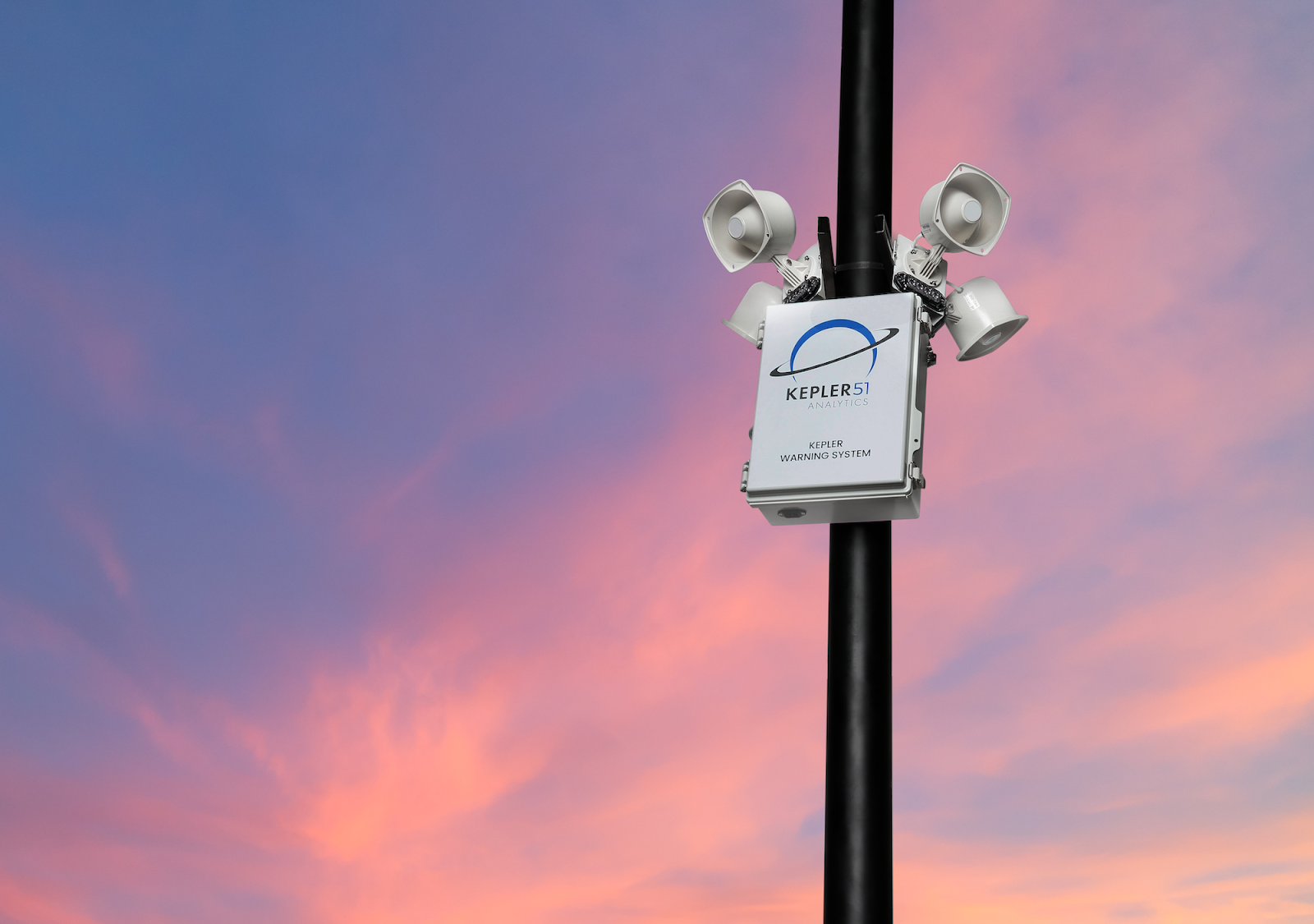
A modern PAS should feature 360-degree audio and visual alerts with high-volume output to ensure maximum coverage and clarity. It should have flexible indoor and outdoor options (and mounting options like trailers and skid/sled mounts), and be able to withstand the most extreme weather conditions, including hurricane-force winds, and have dust and water resistance (typically measured with an IP65 rating). A reliable Public Address System should be able to operate self-sufficiently with solar power and appropriate battery reserves (both solar or non-solar) in order to ensure continuous functionality during power outages. What’s also critical is regular automated self-testing to ensure always-reliable performance.
With customizable alerts, including various sound types and text-to-speech capabilities, your PAS will provide clear and actionable communication, addressing a wide array of emergency scenarios, including natural disasters, and human induced incidents, making it an essential component of any safety strategy.
Automation that reduces response time
When emergencies strike, manual processes create dangerous delays. Rather than rely on humans who are often overwhelmed in their safety roles, and exposing them to the pressure of split-second decisions, modern mass notification systems feature automated messaging capabilities that trigger alerts based on predefined conditions and integrated threat intelligence feeds.
Thus, automation standardizes your emergency response while allowing administrators to maintain full control. Pre-configured workflows ensure consistent, policy-compliant communications during high-stress situations when human error is most likely.
Two-way communication and feedback mechanisms
Effective emergency mass notification systems enable recipients to acknowledge messages, respond to wellness checks, answer poll questions, and request assistance. This bidirectional communication transforms your notification system from a broadcasting tool into a comprehensive safety and accountability platform.
During evacuations or shelter-in-place orders, two-way feedback helps incident commanders maintain accurate headcounts, identify people who need assistance, and make informed decisions about next steps.
Scalability and unwavering reliability
Your mass notification software must handle high message volumes without delays or failures, especially during large-scale emergencies when your entire organization needs information simultaneously.
Look for notification systems with built-in redundancy, including backup power sources, geographically distributed infrastructure, multiple carrier relationships, and automatic failover capabilities. The system should remain operational even if primary components fail.
Intuitive interface for rapid deployment
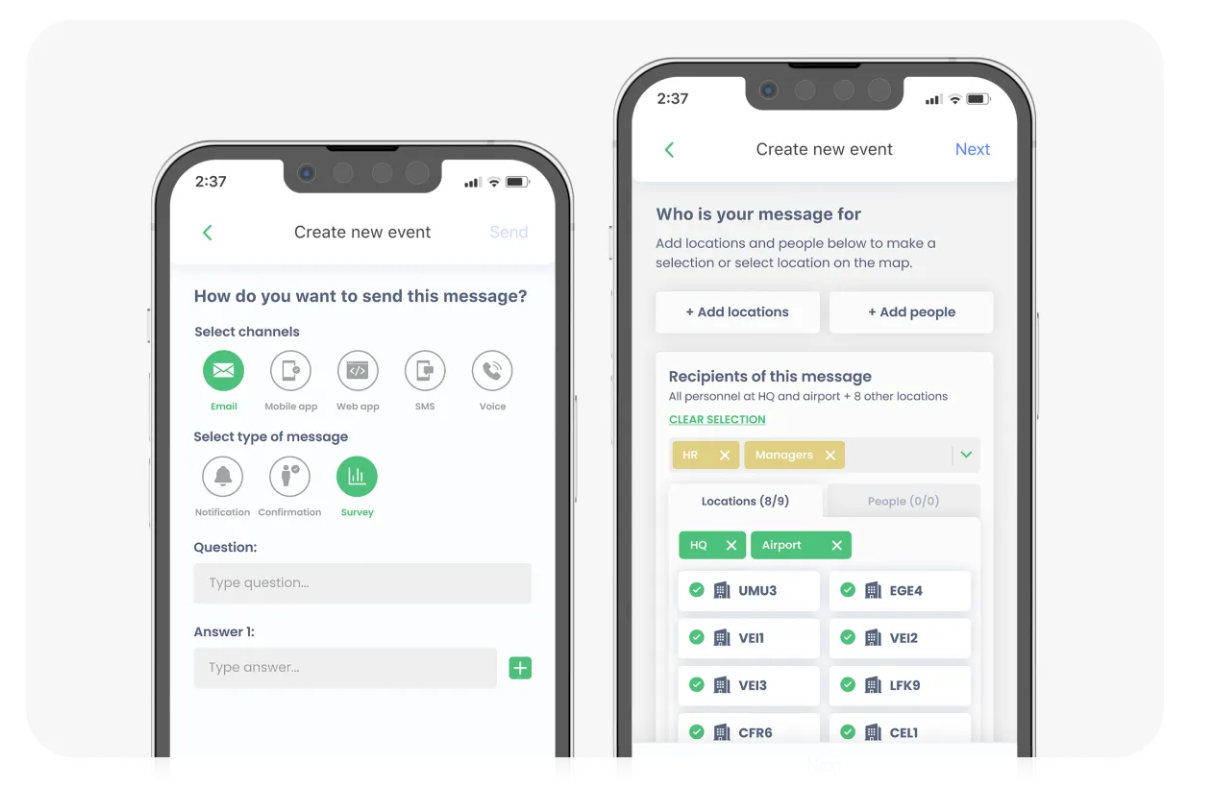
Emergency notification systems with complex interfaces waste precious time during critical moments. The best mass notification systems feature intuitive dashboards that allow administrators to compose, target, and send messages within seconds.
Predefined templates and message scripts accelerate communication while ensuring consistency with organizational policies and regulatory requirements. Operators should be able to launch coordinated multi-channel campaigns with just a few clicks.
Advanced targeting and segmentation
Not every message needs to reach every person, nor should it. Sophisticated mass emergency notification systems support audience segmentation based on criteria like department, role, shift schedule, building location, or demographic characteristics.
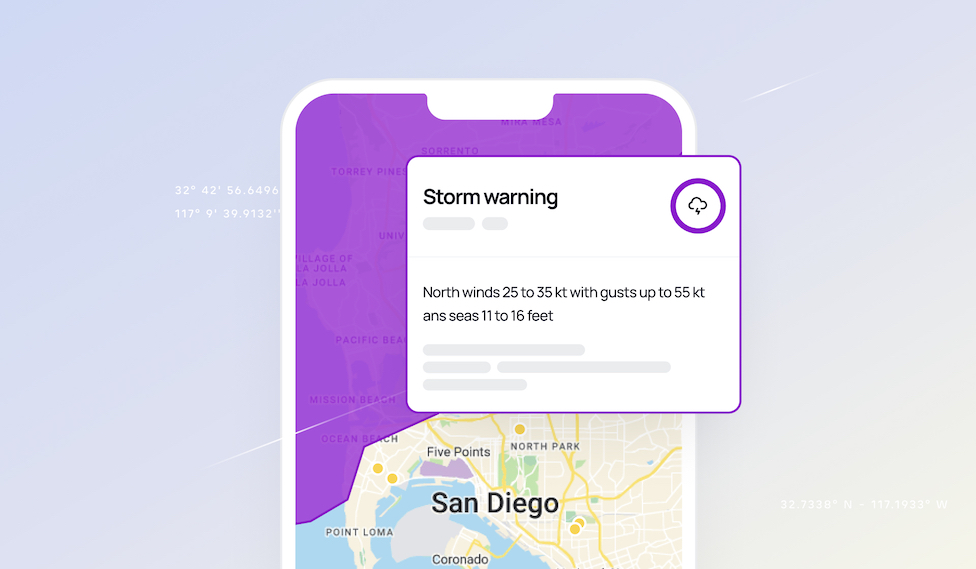
Geofencing and location-based alerting enable you to send messages to specific geographical areas—crucial during localized incidents like building evacuations, weather events, or regional security threats. This targeting reduces alert fatigue and ensures people receive only relevant information.
Comprehensive analytics and reporting
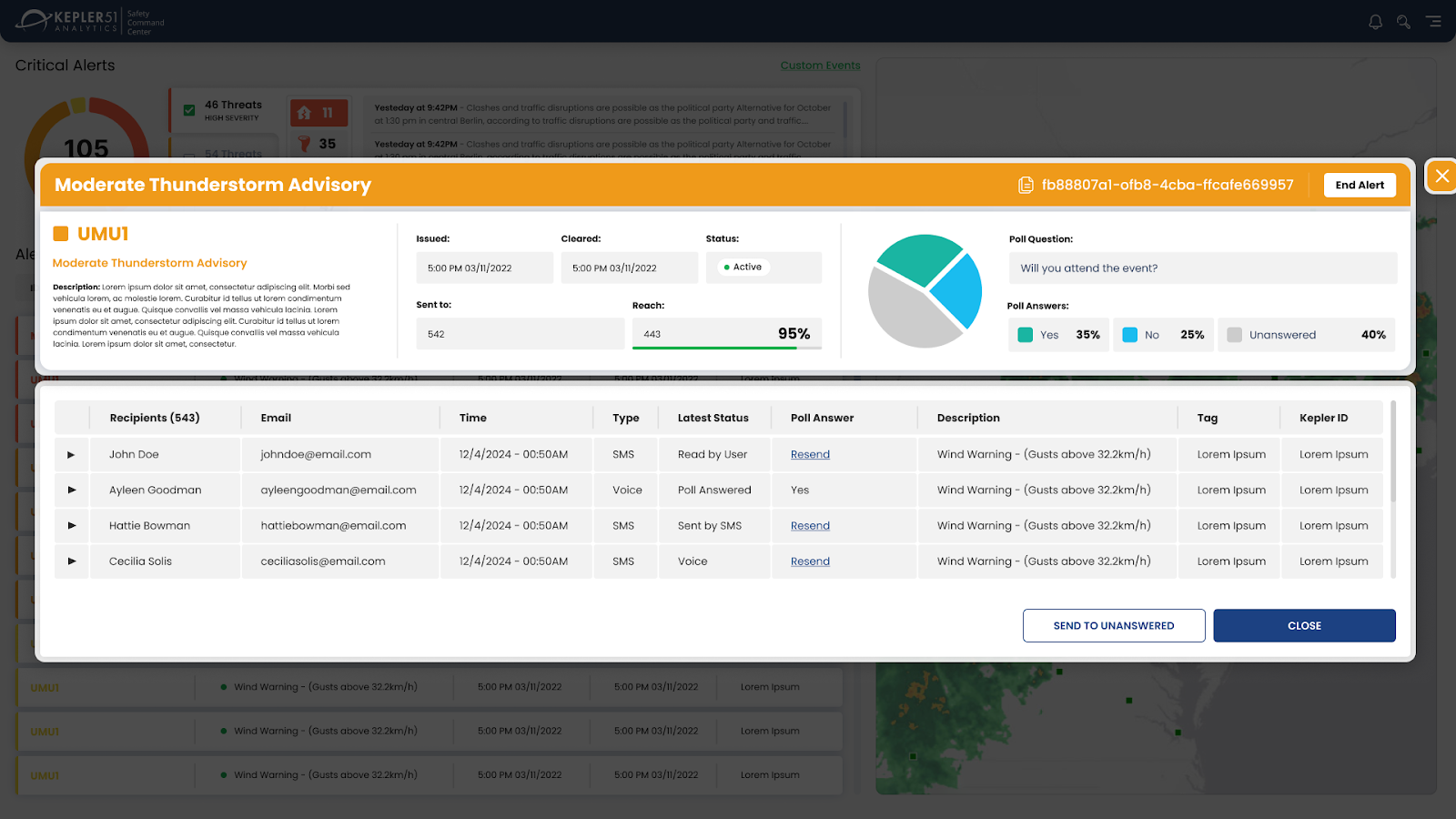
Real-time tracking shows you exactly who has received and acknowledged your messages, allowing you to identify gaps in your communication strategy during active incidents.
Post-event forensics and reporting capabilities are essential for regulatory compliance, stakeholder briefings, and continuous improvement of your emergency response protocols. Your emergency notification software should generate detailed reports showing message delivery rates, response times, device types, and communication effectiveness metrics.
Regular testing and reliable support
The best mass notification systems include tools for conducting regular drills and tests without causing confusion or alarm fatigue among recipients. These practice runs familiarize users with the system and verify that all components function correctly when needed.
Equally important is access to responsive customer support and dedicated account specialists who can assist with troubleshooting, system optimization, and strategic planning for your organization's unique communication requirements.
Best practices for implementing your mass notification system
- Start with a comprehensive communication plan
Before deploying emergency notification software, develop clear protocols defining who can send messages, what circumstances warrant different alert levels, and how your organization will communicate during various scenarios. Document escalation procedures and assign specific roles to key personnel.
- Segment your audiences thoughtfully
Create granular contact groups that reflect your organizational structure, geographical distribution, and operational requirements. This segmentation enables precise targeting and reduces the risk of message fatigue from irrelevant alerts.
- Create templates for common scenarios
Develop pre-approved message templates for your most likely emergency and operational scenarios. These templates should align with your organization's policies, legal requirements, and communication best practices while allowing for scenario-specific customization.
- Conduct regular testing and training
Schedule quarterly or monthly drills using your mass emergency notification system. Rotate through different scenarios and involve various segments of your organization. Use these exercises to identify gaps, refine procedures, and build muscle memory among your emergency response team.
- Monitor and optimize performance
Review your notification system analytics after every real incident and test. Track metrics like delivery rates, acknowledgment times, and channel effectiveness. Use these insights to refine your communication strategies and address any technical or procedural weaknesses.
- Maintain current contact information
Even the most sophisticated emergency mass notification system fails if contact data is outdated. Implement processes for regular data validation and make it easy for employees to update their own contact preferences and device information.
Making the right choice for your organization
Selecting the right mass notification system requires careful evaluation of your organization's size, complexity, regulatory environment, and risk profile. Consider factors beyond initial cost—including scalability, integration capabilities with existing systems, vendor stability, and total cost of ownership.
Request demonstrations that simulate realistic emergency scenarios rather than generic feature tours. Ask potential vendors about their redundancy architecture, uptime guarantees, and support response times during actual emergencies.
The most effective emergency notification systems will become embedded in your organization's operational fabric, supporting not just crisis communication but also everyday information sharing that keeps your workforce connected, informed, and engaged.